COOKWARE

What You May Need in a Cookware Setup

A practical cookware setup does not need to start with everything. Most home kitchens begin with a few reliable cookware pots and pans, then add more pieces based on what gets cooked most often. If you want a setup that covers daily meals well, it usually makes sense to start with the basics and build from there.

Start with the pots you will use most

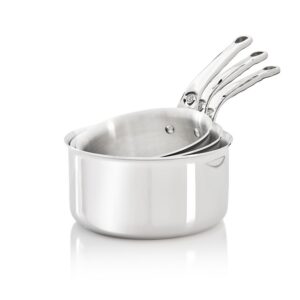
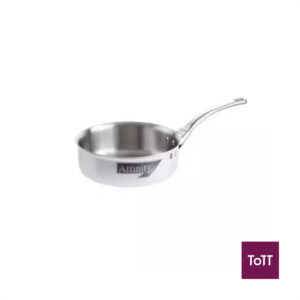
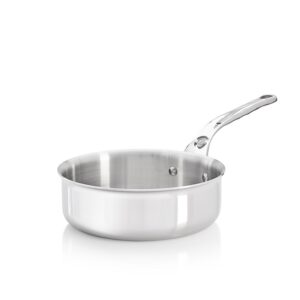
For everyday cooking, the most useful pieces are usually a saucepan, a larger cooking pot, and one or two versatile pans. These cover common tasks like boiling, simmering, reheating, making soup, cooking sauces, and preparing one-pot meals. If you cook for a household, a stock pot or Dutch oven can also be a practical addition.

Choose cookware based on your stove and cooking style

The right cookware depends on how you cook and what stove you use. Some people need pots for quick daily meals, while others want heavier cookware for braising, stewing, or longer cooking. It also helps to check whether a pot is suitable for induction if that matters in your kitchen.

Add specialty cookware as your needs grow

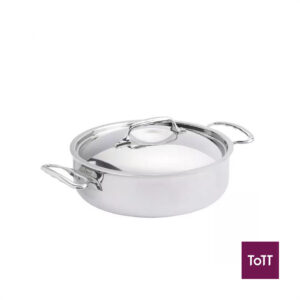
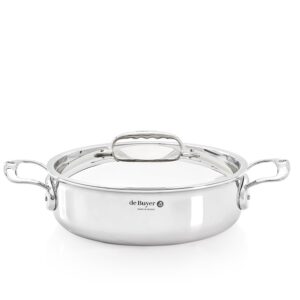
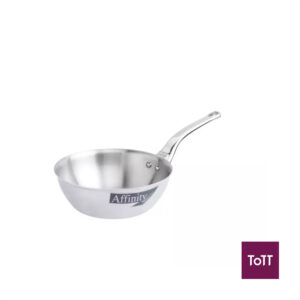
Once you have the core pieces, you can add cookware based on what you make most. Woks, braisers, roasting pans, steamers, and tagines can all be useful, but they make more sense after the everyday essentials are covered. A good cookware setup is usually one that fits your routine, your recipes, and your kitchen space.

Frequently Asked Questions

What cookware pots do I need for everyday cooking?

A simple cookware setup usually starts with a saucepan, a larger cooking pot or stock pot, and one or two versatile pans. That is enough for many daily tasks such as boiling, simmering, cooking sauces, soups, noodles, and one-pot meals.

What is the best material for a cooking pot?

The best material depends on how you cook. Stainless steel is popular for durability and everyday use, while non-stick is often chosen for easier cleaning and lower-stick cooking. Heavier cookware can also be useful for dishes that need steady, even heat.

Can I use these pots on induction cooktops?

Some cookware is induction compatible, but not all of it. It is best to check the product details before buying, especially if you are shopping for a cooking pot for an induction stove.

Do I need both a saucepan and a stock pot?

Not always, but they serve different purposes. A saucepan is useful for smaller tasks like sauces, reheating, and side dishes, while a stock pot is better for soups, pasta, stews, and larger portions. If you cook often, having both can make your setup more flexible.

Is non-stick or stainless steel cookware better?

Neither is better for everything. Non-stick cookware is convenient for easy release and cleanup, while stainless steel is often preferred for durability and broader everyday use. The better choice depends on what you cook most often and how you like to maintain your cookware.

Can cookware go in the dishwasher?

It depends on the material and finish. Some cookware is dishwasher safe, but hand washing is often recommended for better long-term care, especially for coated or specialty pieces. Always check the care instructions for each product before cleaning.